Sunday, September 2, 2012

Too much sugar can make you stupid.


By Dr. Mercola
It's a fact that excess dietary fructose can harm your body by setting up the conditions for diabetes, obesity, and fatty liver, but what does it do to your brain? Studies have not addressed this question—until now.
A new UCLA study1 is the first to show how a steady diet high in fructose can damage your memory and learning. The study was published in the Journal of Physiology.
Researchers investigated the effects of high-fructose syrup, similar to high fructose corn syrup (HFCS), a cheap sweetener six times sweeter than cane sugar, which is used in most  soft drinks, processed foods, condiments, and even many baby foods.
The team sought to study the effects of a steady intake of this super-processed, concentrated form of fructose, which is quite dissimilar from the naturally occurring fructose in fruits. They fed rats a fructose solution as drinking water for six weeks, then tested their ability to remember their way out of a maze.The results certainly grabbed the researchers' attention.

Too Much Sugar Makes You Stupid!

The rats fed fructose syrup showed significant impairment in their cognitive abilities—they struggled to remember their way out of the maze. They were slower, and their brains showed a decline in synaptic activity. Their brain cells had trouble signaling each other, disrupting the rats' ability to think clearly and recall the route they'd learned six weeks earlier.
Additionally, the fructose-fed rats showed signs of resistance to insulin, a hormone that controls your blood sugar and synaptic function in your brain.
Because insulin is able to pass through your blood-brain barrier, it can trigger neurological processes that are important for learning and memory. Consuming large amounts of fructose may block insulin's ability to regulate how your brain cells store and use sugar for the energy needed to fuel thoughts and emotions. The average American consumes roughly 47 pounds of cane sugar and 35 pounds of high-fructose corn syrup per year, according to the U.S. Department of Agriculture2.
Researchers concluded that a high fructose diet harms your brain, as well as the rest of your body. But there is even more to this story.
A second group of rats was given omega-3 fatty acids in the form of flaxseed oil and DHA (docosahexaenoic acid), in addition to the high fructose diet. After six weeks, this group of rats was able to navigate the maze better and faster than the rats in the non-DHA group.
The researchers concluded that DHA is protective against fructose's harmful effects on the brain. DHA is essential for synaptic function—it helps your brain cells transmit signals to one another, which is the mechanism that makes learning and memory possible. Your body can't produce enough DHA, so it must be supplemented through your diet.

HBO Documentary Series: "The Weight of the Nation"

The HBO Weight of the Nation documentary is a collaboration among the Institute of Medicine (IOM), Centers for Disease Control and Prevention (CDC), Kaiser Permanente, and several other health-related organizations. The entire series can be viewed free of charge from their website.
Sadly however, HBO chose to interview many who did not understand the foundational causes of obesity, and their editors chose to continue many myths that are simply incorrect, like using insulin for type 2 diabetes; a calorie is a calorie and you simply need to burn more to lose weight, for example, both of which are utter nonsense. If you have time, the four hour series is useful to watch and has some powerful illustrations and statics that are true, just be warned it is filled with loads of misleading dietary fallacies.
It is projected that 42 percent of Americans will be obese by 2030, which is expected to cost the nation roughly half a trillion dollars per year in additional health costs.
Clearly, that will affect YOU, whether you are among the 42 percent or not.The obesity problem cannot be solved by waiting for the food industry to be struck by a wave of altruism. Big business always has and always will be driven by healthy profits, not healthy people. America has cultivated a toxic culture that has written real food and exercise right out of the script.
The facts are sobering3:
  • Americans today consume an average of 600 more calories per day than they did in 1970
  • Seventy-five percent of Americans now drive to work, a 300 percent increase since 1960
  • In 1969, 42 percent of kids walked or biked to school, versus less than 20 percent today
  • Fewer than five percent of adults meet the minimum guidelines for physical activity, and one in four adults gets no physical activity at all
  • Currently, only four percent of elementary schools, eight percent of middle schools, and two percent of high schools provide physical education

Drugs are a TERRIBLE Answer to the Diabetes Epidemic

Skyrocketing obesity rates are accompanied by escalating rates of type 2 diabetes. This makes perfect sense when you realize the two problems share the same primary cause: insulin resistance. As was confirmed in the UCLA fructose study, a major driver of insulin resistance and therefore a major driver of increasing diabetes rates, is excessive fructose consumption. According to the CDC's 2011 National Diabetes Fact Sheet4:
  • Diabetes affects 25.8 million people, which is 8.3 percent of the total U.S. population
  • Among Americans age 65 or older, 26.9 percent have diabetes and 50 percent have pre-diabetes
  • Among Americans age 20 or older, 79 million people (35 percent) have pre-diabetes
  • Among Americans age 20 or younger, 215,000 have diabetes
  • Overall, if you have diabetes, your risk for death is about TWICE that of people of similar age who don't have diabetes
Most conventional physicians are quick to pull out the prescription pad as a first-line defense against type 2 diabetes—but the price you pay for diabetes drugs is a high one. In fact, taking glucose-lowering drugs is typically  far more dangerous than the disease itself and actually has the potential to radically increase your risk of death from heart attacks, and all other, causes.
Avandia (rosiglitazone) is the poster child for the dangers of diabetes drug treatment. A 2007 study in the New England Journal of Medicine5 linked Avandia to a 43 percent increased risk of heart attack, and a 64 percent higher risk of cardiovascular death, compared to patients treated with other methods. It took nearly 10 years of the drug being on the market for the U.S. Food and Drug Administration (FDA) to take action and restrict access to this dangerous drug, whereas the European Medicines Agency banned it altogether.But now another diabetes drug has been drawn into the spotlight.

Whistleblower Exposes Deadly Effects of Diabetes Drug Actos

Actos, a type-2 diabetes drug manufactured by Takeda Pharmaceuticals, is now the subject of hundreds of lawsuits. It was pulled from the market by both France and Germany a year ago after being found to cause bladder cancer and other tumors. But now, a whistleblower, Dr. Helen Ge, has come forward with a lawsuit of her own stating that the drug company is benefiting from "tens of billions of dollars in sales" at the expense of the lives of people still taking the drug6,7,8.
Dr. Ge worked in the Takeda's pharmacovigilance division, where she was in charge of reviewing side effects of Actos as reported by patients and physicians. She then prepared safety reports that were filed with the FDA―reports that Ge says she was ordered to water-down or not report at all, so Actos would look better than it actually was.
Dr. Ge believes Actos is even more dangerous than Avandia.
She believes that, besides bladder cancer and tumors, Actos is also connected to heart attacks and stroke, suicide, schizophrenia, homicidal ideation, and renal failure. Dr. Ge claims Takeda concealed reports from regulators about hundreds of heart failure cases directly related to the drug in an attempt to drive sales. Dr. Ge filed her lawsuit in September 2011. Actos is still being sold in the United States.

Getting Off The Path of Dietary Madness

But what can be done to derail this obesity freight train that seems to be speeding out of control? The obesity epidemic is different from naturally occurring epidemics in that it is completely human-created. The good news is it has the potential of a human-directed reversal, which begins with expanding awareness about the gravity of the problem. If you are one of my long-term readers, you already know I've been committed to expanding this awareness for decades. In one of the featured articles, best-selling author David Sirota lists what he believes are five of the most promising ways to reverse these trends and the science-based rationale for each9 :
  • Taxing junk food. Multiple studies confirm that this strategy does indeed work—people's food choices are affected by price.
  • Stop subsidizing junk food. Stop giving money to corn and soy growers and start paying farmers to produce real food like fruits and vegetables—the foods that will improve the nation's health. There is NO inherent reason junk food should cost less than fresh fruits and vegetables.
  • Ban junk food in schools. Nearly half of public and private schools surveyed sold sweet or salty snack foods in vending machines or other places, and in most schools, school lunches are not much better
  • Stop glorifying unhealthy eating habits. It's time the media are held accountable for equating America with hot dogs, apple pie, and cheesesteaks, and the message this sends to America's youth
  • Start broadening our understanding of obesity. There is no denying the abundance of science disproving conventional wisdom that "a calorie is a calorie"—it's time for the mainstream to wake up and acknowledge the factors responsible for obesity, particularly massive quantities of fructose and refined grain products that Americans are consuming each day.

What Have You Got to Lose?

Solving this problem is going to require significant changes on personal, community, and nationwide levels. The Weight of the Nation website10 lists a wide variety of action steps you can take on all of these levels. But the best first step is to take an honest look at your own personal lifestyle habits—and start making some changes there.
Whether you need some slight dietary tweaking or a total nutritional overhaul, here are some basic strategies you can implement today to get yourself off the "path of dietary madness":
  • Avoid as much sugar as possible, especially fructose. This is especially important if you are overweight or have diabetes or pre-diabetes, high cholesterol, or high blood pressure. Limit your fructose intake to 25 grams per day (refer to this chart to see the fructose content of common whole foods). If you want to use a sweetener occasionally, consider using the herb stevia, or organic cane sugar or organic honey in moderation. Avoid agave syrup, as most commercial products are just highly processed sap consisting almost entirely of fructose.
  • Consume your sugar with fiber. Fiber helps modulate the impact of sugar by slowing absorption. The perfect sweet food is a piece of fruit, which contains fiber as well as beneficial antioxidants.
  • Eat a well balanced diet, tailored to your specific body type. It should consist of ample raw foods, fresh organic produce, grass pastured meat and dairy, raw nuts and seeds, and naturally fermented foods. Avoid processed foods, genetically engineered foods, and foods with added chemicals. For more information, refer to my total nutrition plan.
  • Get plenty of high quality omega-3 fats from both plant and animal sources. As the study above showed, omega-3's are crucial to modulating the damaging effects of sugar—and have MANY other benefits. My favorite animal-based omega-3 source is krill oil.
  • Optimize your vitamin D level.
  • Exercise every day. Exercise improves insulin sensitivity, reduces stress and cortisol levels, suppresses ghrelin (the appetite hormone), speeds up your metabolism, strengthens your bones, and even lifts your mood.
  • Rehydrate with fresh, pure water.
  • Get plenty of sleep.
  • Manage your stress.

How Fructose Turns ON Your "Fat Switch"

If you have ever struggled losing weight and keeping it off, you already know what a challenge that can be. Dr. Richard Johnson, chief of the Division of Renal Diseases and Hypertension at the University of Colorado has published hundreds of articles and two books on this topic: The Sugar Fix, and most recently, The Fat Switch, which presents a groundbreaking approach to preventing and reversing obesity. According to Dr. Johnson, based on his decades of research:
"Those of us who are obese eat more because of a faulty "switch" and exercise less because of a low energy state. If you can learn how to control the specific "switch" located in the powerhouse of each of your cells – the mitochondria – you hold the key to fighting obesity."
There are five basic truths that Dr. Johnson explains in detail in his new book that overturn current concepts:
  1. Large portions of food and too little exercise are NOT solely responsible for why you are gaining weight
  2. Metabolic Syndrome is A NORMAL CONDITION that animals undergo to store fat
  3. Uric acid is increased by specific foods and CAUSALLY CONTRIBUTES to  obesity and insulin resistance
  4. Fructose-containing sugars cause obesity not by calories but by turning on the fat switch
  5. Effective treatment of obesity requires turning off your fat switch and improving the function of your cells' mitochondria
I highly recommend picking up a copy of this book, which has been described as the "Holy Grail" for those struggling with their weight. Dietary sugar, and fructose in particular, is a significant "tripper of your fat switch," so understanding how sugars of all kinds affect your weight and health is imperative.

Monday, August 20, 2012

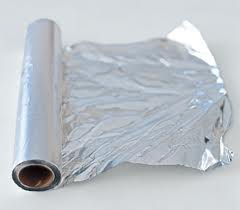
Danger of Aluminium Foil


Aluminum Accumulates in the Bones and in the Brain

The researchers found dangerously high levels of aluminum in foods after being cooked, reheated, and even cooled on aluminum foil. The cause for alarm is that when aluminum accumulates in the body, it can lead to osteoporosis and Alzheimer’s.
What’s more, Dr. Zubaidy, one of the study authors, comments that:
“The higher the temperature, the more the leaching. Foil is not suitable for cooking and is not suitable for using with vegetables like tomatoes, citrus juice or spices.”2
On the other hand, the researchers also noted that foil can be considered safe to wrap cold foods, since no leaching was observed without heating. They also did not find a difference if the shiny or dull side were in contact with food.

Aluminum Competes With Calcium, Weakening Bones

High aluminum levels in the body alter bone mineralization, matrix formation, as well as parathyroid and bone cell activity.3Ironically, one of the most common signs of excessive aluminum accumulation is hypercalcemia or high calcium levels in the blood.
 
This happens because the presence of aluminum impedes calcium deposition in bone, thus leading to elevated blood calcium levels.3 As a result, PTH secretion, the hormone secreted by the parathyroid hormone, is greatly depressed.3Additionally, chronic aluminum toxicity greatly reduces osteoblast population and inhibits bone mineralization, resulting in osteoporosis.3

Mounting Evidence Links Aluminum to Alzheimer’s

While the study is less adamant about the link between aluminum and Alzheimer’s than it is about the osteoporosis connection, it does point to evidence that aluminum is deposited in brain tissue. The researchers note that previous studies have found an aluminum build-up in autopsies performed on Alzheimer’s sufferers.

Protect Your Bones and Your Brain

In view of this, you really should avoid using aluminum foil or aluminum utensils for cooking. So here are a few simple steps you can take right away:
  • Never cook, heat up, or place hot food on aluminum foil. Use foil only to store cold food in the refrigerator, or to wrap cold sandwiches. I use tempered glass pans. They are easily available in just about every supermarket or hardware store.
  • Avoid storing tomatoes, citrus fruits, or spices in foil.
  • Replace foil with wax paper if you wish to store food while still hot. Or use glass food storage containers. I keep a variety of sizes handy in my kitchen.
  • Never use aluminum pots or cooking utensils. Instead, invest in stainless steel pots and pans.
As you can see, it’s easy to avoid aluminum in the kitchen.

Disobey Your Doctor and Reverse Alzheimer’s This Way

If you or someone you care about is suffering from memory loss, dementia or Alzheimer’s, then you know how cruel these diseases can be.
 
The emotional and physical toll they take on the patient―as well as on the entire family―can be devastating.
 
But right now, solutions are available and being used successfully even while most doctors still throw up their hands when it comes to memory loss, dementia and Alzheimer’s, using words like “hopeless” and “irreversible.”
 

Thursday, August 16, 2012

Moderation is the key

How Much Alcohol is Good for Your Heart?

Don’t drink at all and miss out on the benefits; drink too much and you could pay

Wine ToastIsn’t it great when scientists tell us that the “bad stuff” most of us enjoy might actually be good for us? For instance, chocolate can help us get our cholesterol under control, we can still eat carbs and lose weight, our morning cup of coffee could help prevent a stroke, and a little sun worship may protect us as we age.
And you’ve probably heard the benefits of red wine touted. That’s because red wine contains a powerful antioxidant known as resveratrol, which has been associated with lower incidences of cancer and cardiovascular disease, as well as cholesterol-lowering and anti-inflammatory properties.
Over the years, numerous studies have been conducted on the potential benefits of alcohol consumption. In “Alcohol and the Heart: An Ounce of Prevention,” published in the journal Current Treatment Options in Cardiovascular Medicine, the authors reviewed a wealth of research dealing with alcohol’s effect, particularly on the cardiovascular system.[1]
While many positive benefits were associated with alcohol, which we will cover in a moment, a common theme emerged with regard to the amount of alcohol consumed, leading the authors to point out that the challenge here might be in recommending the “right doses.” You see, just like a little alcohol may help to mend a broken heart, drink too much of it and it has quite a different (and potentially dangerous) effect.
As we go through the alcohol-related research, keep in mind that while the definition of what constitutes a “light,” “moderate” or “heavy” drinker may vary slightly from study to study, in general, “one drink” refers to a 12-ounce bottle of beer, a 5-ounce glass of wine, or 1.5 ounces of liquor (either straight up or in a mixed drink).

Alcohol and Cholesterol

Alcohol has been linked to several well-known changes in lipoproteins, and moderate alcohol intake has been associated with reduced LDL (“bad”) cholesterol and increased HDL (“good”) cholesterol. In fact, one study showed that one to two drinks per day increased HDL by 12% on average, which is similar to the increase seen with exercise programs and fibric acid medications.
This is especially good news when you consider that a separate study estimated that about half of the decrease in coronary heart disease risk may be attributed to an increase in plasma HDL, while only 20% was attributed to a reduction in plasma LDL. (See 4 Ways to Raise Your Good Cholesterol Naturally.)

Alcohol and Cardiomyopathy

Cardiomyopathy is a serious disease in which the heart muscle becomes inflamed and doesn’t work as it should, and among other things, it can be brought on by prolonged heavy drinking (5-15 years). However, research suggests that moderate alcohol intake could have the opposite effect.
One study reported a 59% lower risk of heart failure among men who consumed 8-14 drinks per week compared to those who didn’t drink. (Sorry, ladies, no statistically significant association was observed in women.)
In another study, adults age 65 years or older who consumed 7-13 drinks per week had a 34% lower risk of heart failure.

Alcohol and Sudden Cardiac Death

Moderate alcohol intake has also been associated with a decrease in sudden cardiac death in healthy adults. In a study of 85,067 women without reported cardiovascular disease, light-to-moderate intake of alcohol was associated with a 36% lower risk of sudden cardiac death as compared to those who abstained from alcohol.
And a study of 22,071 apparently healthy male physicians showed that men who consumed light-to-moderate amounts of alcohol (two to six drinks per week) had up to an 80% lower risk of sudden cardiac death compared to non-drinkers.
This is great news for the occasional drinker, but here’s a scary finding: When it comes to people who drank more than six alcoholic beverages a day, the risk of sudden death was increased more than twofold.

Alcohol and Coronary Artery Disease

According to the authors, research over the past 30 years has consistently shown the protective effect of moderate alcohol consumption on fatal and non-fatal coronary artery disease (CAD). However, some studies show a protective effect at moderate levels and increasing mortality at higher levels, while others show that protection does not decrease with heavy drinking (more than four to five drinks per day).
Here, drinking frequency may be more important than quantity. One study showed a similar risk of incidence of CAD in men who drank as much as three to four drinks per day if they consistently drank over five to seven days per week and in light drinkers (one drink per day) as long as it was spread over seven days.
The cardio-protective benefits were similar in women, with the caveat being that heavy drinking had a negative impact. For women, the benefits became muted after two drinks per day and became a statistically significant risk factor after four to five drinks per day, regardless of days spent drinking each week.
It does seem as though women get the short end of the stick when it comes to the heart benefits of alcohol, and researchers have developed theories around this, including that women are more susceptible to cirrhosis than men, and this can lead to decreased levels of HDL.
So far we’ve discussed the effects of alcohol on healthy adults, but are there also benefits for those who already have coronary artery disease or CAD risk factors?
Studies showed a statistically significant reduction (15%-25%) of all-cause mortality for subjects with pre-existing CAD who drank moderately, relative to non-drinkers. And researchers who analyzed data from the US Cancer Prevention II Study involving 490,000 men and women, found that regular drinkers with cardiovascular-related conditions (CAD, stroke, diabetes, hypertension) had a greater reduction in CAD mortality versus a similar group of non-drinkers.

The Good and Bad News

So it seems we can confidently say that research points to the protective heart benefits of moderate drinking, especially for men.
To sum up, the authors concluded: "“From available studies, the majority of evidence indicates that moderate alcohol consumption (typically defined as less than 30 g of ethanol or less than 2 drinks per day) does provide an all-cause mortality benefit. Specifically, a moderate level of alcohol intake has been associated with decreased CAD-associated mortality in patients with pre-existing CAD or CAD risk-factors, regardless of gender. Likewise, there is a decreased risk of heart failure, sudden cardiac death, and an improved lipid profile with increased HDL and decreased LDL in adults who drink moderate amounts of alcohol.”
Now the bad news …
The authors also were careful to point out the risks of alcohol, which include greater incidence of ear, nose and throat cancer, and colorectal cancer at moderate levels, and cirrhosis even at light levels. Furthermore, heavy drinking has been linked with alcoholic cardiomyopathy, atrial fibrillation, blood pressure elevation and, as we mentioned, a more than twofold increase in sudden cardiac death.
So, as with most things in life, it would seem that moderation is the key.


Something useful worth sharing

Did you know that drinking two glasses of Gatorade can relieve headache pain almost immediately-without the unpleasant side effects caused by traditional pain relievers?  
Did you know that Colgate Toothpaste makes an excellent salve for burns?  
Before you head to the drugstore for a high-priced inhaler filled with mysterious chemicals, try chewing on a couple of curiously strong Altoids peppermints. They'll clear up your stuffed nose.

Achy muscles from a bout of the flu? Mix 1 tablespoon horseradish in 1 cup of olive oil. Let the mixture sit for 30 minutes, then apply it as a massage oil for instant relief for aching muscles. Sore throat? Just mix 1/4 cup of vinegar with 1/4 cup of honey and take 1 tablespoon six times a day. The vinegar kills the bacteria. Cure urinary tract infections with Alka-Seltzer. Just dissolve two tablets in a glass of water and drink it at the onset of the symptoms. Alka-Seltzer begins eliminating urinary tract infections almost instantly-even though the product was never advertised for this use. Honey remedy for skin blemishes... cover the blemish with a dab of honey and place a Band-Aid over it. Honey kills the bacteria, keeps the skin sterile, and speeds healing. Works overnight. Listerine therapy for toenail fungus: Get rid of unsightly toenail fungus by soaking your toes in Listerine Mouthwash. The powerful antiseptic leaves your toenails looking healthy again. Easy eyeglass protection... to prevent the screws in eyeglasses from loosening, apply a small drop of Maybelline Crystal Clear Nail Polish to the threads of the screws before tightening them. Cleaning liquid that doubles as bug killer... if menacing bees, wasps, hornets, or yellow jackets get in your home and you can't find the insecticide, try a spray of Formula 409. Insects drop to the ground instantly. Smart splinter remover: Just pour a drop of Elmer's Glue-All over the splinter, let dry, and peel the dried glue off the skin. The splinter sticks to the dried glue. Hunt's Tomato Paste boil cure... cover the boil with Hunt's Tomato Paste as a compress. The acids from the tomatoes soothe the pain and bring the boil to a head.

Balm for broken blisters... to disinfect a broken blister, dab on a few drops of Listerine
, a powerful antiseptic. Vinegar to heal bruises... soak a cotton ball in white vinegar and apply it to the bruise for 1 hour. The vinegar reduces the blueness and speeds up the healing process. Quaker Oats for fast pain relief... it's not for breakfast any more! Mix 2 cups of Quaker Oats and 1 cup of water in a bowl and warm in the microwave for 1 minute, cool slightly, and apply the mixture to your hands for soothing relief from arthritis pain.

Tuesday, June 26, 2012

What juice will clean my colon of old fecal matter?

What juice will clean my colon of old fecal matter?
I've read that humans carry between 5 to 7 lbs of caked fecal waste in their intestinal tracks
Believe it or not, but the best juice to cleanse your colon is water!
When it comes to vegetables, the best vegetables to juice to clean your colon are those that have a yin or cooling ability. Constipation indicates your body is too hot. Let me explain...

First, to be honest, many people have more than 10 lbs of caked fecal matter. John Wayne had something like 40 pounds and Elvis Presley had about the same, if I remember correct. In fact, Elvis died sitting on the toilet. He had so much compacted fecal matter that he literally gave himself a
heart attack trying to force a bowel movement. Elvis isn't the only person who has done this... may others have had the same problem.

You don't need expensive bowel cleansing programs. You just need to apply some common sense in combination with the taking advantage of ancient wisdom.


First, you need to look at lifestyle. You need to eliminate as many
processed foods as you can. These foods have no fiber and get stuck in the body.

Second, realize the bowels need moisture to work properly. You can have all the fiber in the world, but if you don't have moisture in the bowels, then the fiber can't do very much. So you need to make sure you are drinking lots of water... juice, tea, coffee, sodas, etc all do not constitute as water... you need water and
water by itself. Although tea has water in it, once you turn it into tea, the constitution has changed and the body no longer recognizes the tea as water. This same rule applies to juice, sodas, etc.

Third, foods that are high in yang (hot) energy will naturally burn the moisture from the body. So even if you are drink lots of water, if you have too much yang energy, then the water is burned up by the yang energy. Foods that are high in yang energy include but are not limited to deep fried foods, BBQ / grilled foods, alcohol and other foods like
green peppers, garlic, ginger, spicy foods, etc.

Taking all of this into account. What you need is to ensure you are drinking lots of water, getting sufficient fiber by eating whole foods and/or even taking a fiber supplement... not eating too many yang foods while having foods that are slightly more yin (cooling) so the moisture stays in the bowels. But if you have too much yin energy then instead of constipation, you will have loose bowel movements and even bowel movements that appear diarrhea like in nature.


Licorice tea is excellent for helping to bring moisture to the bowels. Additionally, the yogis of India say that licorice creates a scent that attracts women (possibly another bonus!).


More than juice, what you need to do is think of some foods to eat to help cleanse the bowels.
Apples, melons and papaya are some fruits that come to mind to help cleanse the bowels. Papaya is a great cleanser but I wouldn't have it all the time because papaya can also create too much dampness in the body.

Drink green tea instead of coffee... green tea has a slight cooling effect on the body whereas coffee is a factor in constipation.


Eat vegetables like
carrots, corn, squash, bamboo shoots and definitely eat some zucchini (or any squash for that matter)... one of the best natural cleansers is zucchini though. Beets also do good too. Beets can really help to purge the bowels of old fecal matter but don't be surprised if your bowel movements or urine turn red after eating beets. But I would focus less on juicing and more on the foods you eat because that way you get fiber too.

Sure, the vegetables you juice will have an impact, but it's diet and lifestyle that will have the biggest impact on
constipation, cleaning and preventing fecal matter from compacting within the colon.

You will know when your body has enough moisture in the bowels and fiber because the bowels movements will be relatively easy and the actual bowel movement itself will create a coil like shape.


Eliminate those hot (yang) foods, incorporate some cooling foods... and eat some whole grains such as brown rice.


Also, it's worth noting that cold drinks and cold foods can lead to constipation.


Believe it or not, but cold drinks and foods make your body hot. Thus burning up moisture in the body. The reason why is because when you have something cold, while it may be refreshing to your mouth, as soon as it lands in your stomach, your stomach needs to warm the food or drink. To do this, the body pushes lots blood to your stomach. Of course, this then robs other parts of your body of blood. But it also robs your body of moisture. Cold foods and drinks should be avoided.


Please also remember that the colon is a muscle. When you have old fecal matter stuck in your colon, it becomes like cement along your colon wall. It prevents the colon
muscle from squeezing. In turn, this contributes to a lazy (weak) colon which in turn makes the constipation issue worse.

So we want to ensure we are drinking enough water because that's what really begins to allow the old fecal matter to be removed. It's not a quick process to clean out the colon, but it is not a difficult thing to do either.


Constipation is more of a lifestyle issue... juice has an impact, but if you fail to fix the lifestyle, the constipation will just continue. Just make some of the minor changes / adjustments above and I am sure you will notice a huge difference.


One last thought, try to get to sleep early... around 10 PM is good... 11 PM is acceptable, but any time you go to sleep after midnight, you make your body hot by stressing the hormones and adrenal glands... meaning you burn more moisture in the body.


Ultimately, become aware of the visible and hidden factors that lead to constipation.


Colon
cancer is one of the easiest cancers to prevent!

Thursday, June 14, 2012

Beetroot-Apple Cleansing Juice

 
There are numerous detoxification and cleansing program in the market, some may require certain restrictions on your diet for a short period of time - for 4 weeks or more. This is to get rid of the toxins in your body which have been accumulated from the preservatives, colorings and other additives to the foods you consumed, the chemicals, heavy metals that you exposed to at work or from home, the allergens from environmental or food sources and the drugs both medicinal and recreational. Cleansing program on the other hand may only require one to two weeks.
 
Both programs will have guidelines to follow:
  • Eat low-fat foods, no deep fried foods or fatty snacks
  • Drink at least 6 glasses of water per day
  • Eat plenty of fresh fruits
  • Eat plenty of vegetables, such as cabbage, cauliflower, broccoli and brussels sprouts
  • Eat plenty of rice and potatoes for carbohydrate intake
  • Eat organic fruits, vegetables, chicken, lamb but not beef or pork
  • Refrain from coffee, tea, cola and chocolates
  • Refrain from alcohol
  • Refrain from sugar and sugar-containing foods
  • Refrain from gluten-containing grains, such as wheat, rye, barley and oats
  • Refrain from dairy products except natural acidophilus yoghurts
Some herbal teas like dandelion tea is especially good to increase liver function. A soluble-fiber supplement, such as psyllium husks - which favouritely mixed into  honey, drinks and juices will not only help to absorb the toxins but also helps constipation problems.
 
lf you intend to follow any detoxification program for more than a few days, please seek professional advice from either your doctor, a qualified nutrition consultant, a qualified herbalist or naturopath to assist you through the process and to help  monitor your health especially if you have existing health issues.


1/2 Beetroot
1 Apple (medium sized)
1 Pear (medium sized)
1 tablespoon of psyllium husks
1 teaspoon of honey (optional)
 
Method:
1. Wash and cut the beetroot, apple and pear into smaller pieces (to fit in the extractor)
2. Put the chopped beetroot, apple and pear into juice extractor.
3. Stir in the psyllium husks.
4. Drink it immediately (otherwise the psyllium husks will curd).
 
(The beetroot helps to increase liver activity while the psyllium absorbs toxins and eliminate from the body.)
 
Enjoy your drinks and share it with your family and friends!

Thursday, May 3, 2012

Orange juice- good for you

Many dieters and health-conscious individuals tend to limit their intake of orange juice due to its high sugar content. But surprising research shows that orange juice can actually play a beneficial role in heart health by reducing LDL (“bad”) cholesterol and increasing HDL (“good”) cholesterol.[1] Vegetables and fruits, such as oranges, are rich in phytochemicals, which have antioxidant and anti-inflammatory properties that prevent LDL oxidation, which can lead to atherosclerosis. The phytochemicals (specifically flavonoids) in orange juice, in particular, have been thought to affect cholesterol metabolism in the liver.
Orange juice also contains high amounts of vitamin C, folate and potassium. These nutrients prevent LDL oxidation, lower plasma homocysteine concentrations, and contribute to lower blood pressure, respectively.

An OJ a Day Keeps Cholesterol at Bay

With this knowledge, researchers hypothesized that consuming orange juice, along with participating in regular aerobic exercise, can prevent heart disease by reducing bad cholesterol and elevating good cholesterol levels.
To prove their hypothesis, researchers recruited 30 premenopausal women between the ages of 30 and 48 weighing 166 lbs, give or take 31 lbs. Based on body mass index measurements, all the participants were either overweight or obese. Inclusion criteria for the study were:
  • LDL cholesterol less than 160 mg/dL and triglycerides less than 200 mg/dL
  • Irregular or no consumption of orange juice
  • No regular exercise regimen
  • No diabetes or thyroid or kidney disorders
  • No use of hormone replacement therapy
  • No use of vitamins or mineral supplements
  • No use of cholesterol-lowering medication
Researchers divided the women into two groups of 15. Both the control and experimental groups participated in three one-hour aerobic exercise sessions per week for 90 days, but the experimental group also consumed 500 mL (just over two cups) of orange juice per day, while the control group did not. The diets of both groups were monitored using dietary questionnaires.
Twenty-six women completed the study (13 in each group). The women in the control group lost 2.5 percent body weight, 15 percent body fat, and 2.5 percent of body mass index. The women in the experimental OJ group lost 1.2 percent in body weight and body mass index, and 11.5 percent body fat. Researchers noted that the difference between these two groups was not statistically significant.
One measurement that did end up being statistically significant, however, was the plasma lactate concentration — or the muscle fatigue level caused by lactic acid production during the exercise training sessions. In the control group, the blood lactate concentration dropped by 17 percent, while in the experimental group it dropped by a whopping 27 percent.
The experimental group also showed big changes in cholesterol. Total cholesterol decreased by 5 percent, LDL decreased by 15 percent, and HDL increased by 18 percent. The differences in all cholesterol measurements in the control group were insignificant.

The Best OJ for Your Heart

Based on these study results, adding orange juice to your diet could do your heart and body a lot of good. However, be aware that most commercial fruits juices have little to no nutritional value and contain a lot of sugar, often in the form of high fructose corn syrup. Fresh squeezed orange juice as a much better nutritional profile, especially if you drink it with its pulp, where all the important flavonoids reside.
For the highest nutritional value, consider squeezing your own juice and retaining all the pulp. If you can’t or don’t want to squeeze your own, then buy 100 percent fresh-squeezed orange juice with the highest pulp concentration.
Also remember that, even though it has nutritional value, orange juice still does contain a lot of sugar — even if it’s the natural kind. When it comes down to it, sugar is sugar, and too much of it doesn’t do anyone any good. So, as with all things, practice moderation when drinking orange juice.

Tuesday, April 10, 2012

Vitamins

Vitamin pills is not food, it has side effects.
In addition to refined foods, markets are flooded with all kinds of
synthetic vitamin supplements. There are many people who don't have enough time to prepare nutritional meals but think that they can
swallow some vitamin pills to obtain enough nutrients.
Can vitamin pills really replace natural foods and provide all the
nutrients that the body needs?
There was the biggest scientific, clinical experiment in this
century performed by the Finland government a few years ago. They have spent
43 million dollars and involved 29,000 people in the experiment for 5 to 8 years. All participants are smokers. They have found that there are 18% more llung cancers and 50% higher mortality due to heart diseases for the group that has been consuming vitamin A and vitamin E compared to the group that has not eaten any vitamin supplement.

When the experiment data came out, it came out in Newsweek, and it came out everywhere.
All of the scientists were really shocked.
We have been told by
scientists that vitamin E is a good antioxidant, can prevent the hardening of our artery soit should be good for our heart.
But why
did such a big experiment give us a result completely opposite of what we were told? 
 Dr. Herbert of the FDA explained that when the vitamin C is inside the orange, it is an anti-oxidant. However, when it is isolated away from an orange, it may become a pro-oxidant. In other words, it will produce billions of free radicals.
It will give us side effects.
Someone may say, "No problem, the vitamin pills
I am taking are extracted from natural food. They are natural vitamins."
 Actually, there's no such thing as natural vitamins. It is only a commercial term created by the merchants. Natural vitamins and minerals only exist in natural plants.
As long as it is extracted or isolated from the plants, it becomes pure
chemical substance. It becomes drugs and has the effects as mostdrugs. That is why there are always warning signs on the vitamin bottles saying 'Keep out of reach of children' or 'Take only one a day'. We don't see such warnings on vegetables and fruits.
 Some experiments showed that osteoporosis patients could utilize calcium
very well if they take it directly from natural plants, but cannot
absorb calcium,
which is from supplements.
Measured with quantum physics, we can see clearly that there is high energy level in the calcium that exists in the natural plants and low energy level in calcium tablets. In fact, after the calcium tablet has been taken it only travels along the blood vessels and get excreted from urine without being utilized by the body to build bones. The calcium tablets will only increase the burden of our liver and kidneys. If the calcium tablets can really help, why are there still so many people with osteoporosis?
 A few years ago, the American FDA proposed to Congress of the vitamin's
potential for toxicity that we should prohibit the sale of the
vitamin supplements in the market place, because they have side effects. In fact, in the United States, there are 30,000 children reported to the poison control center due to the toxicity of vitamins every year.
 Mothers think vitamins have no side effects. They give it to their children just like candies and don't think that they might get toxins from it. Besides, many food products on the market are added with synthetic vitamins, such as Vitamin C added in orange juice and Vitamins A and D added in milk. Unknowingly, our children are eating an overdose of vitamins. It causes more leukaemia and all types of cancer in children. The FDA has warned the public that not only vitamin C causes cancers and heart diseases, vitamin F causes arthritis, vitamin D causes liver damage, and vitamin B6 causes central nervous system damage.

Thursday, March 29, 2012

The Top Ten Healthiest Vegetables

There is no doubt that adding vegetables to your diet at any stage of life can  improve your health. Often, people being treated for diseases such as  cancer are advised to increase their intake of vegetables to help give their  bodies the boost it needs. Here is a list of ten vegetables that are great choices to add to your diet that will improve your health. *********************************************************************
1/ Collard Greens
Widely consumed in the Southern US for many years, this leafy green vegetable packs a lot of nutrient value. Collard Greens have high levels of calcium,
 Vitamin E, and beta-carotene. In addition to these nutrients, it also boasts high selenium content. Collard greens can be had throughout the year but most consider them to be best between January to April.   ******************************************************************************  2/ Sweet Potatoes
The anti-oxidant properties of sweet potatoes can help to rid the body of free radicals linked to many chronic illnesses including diabetes and colon cancer. They are also thought to be able to lessen the effects of asthma and arthritis due to their
 anti-inflammatory tendencies. Sweet potatoes are also a good source of iron, calcium and fiber, and best of all they can be used in a number of recipes. *********************************************   ******************************************************************************** 3/ Broccoli
Like so many vegetables out there, this one is also great protecting your body from the ravishes of cancer. They are attractive enough to enhance any dish but their uses go far beyond aesthetics. With high folic acid levels, it is useful in preventing birth defects. In addition it is great for getting enough calcium and vitamin C in your diet.
***************************************************************************************** 4/ Onions
This unassuming bulb actually offers more health benefits than you may think. They help to lower blood sugar levels in addition to promoting good cardiovascular health. It has been proven that adding onions to your diet can reduce your risk of developing certain cancers and contribute to gastrointestinal health.
*************************************** ****************************************************************************************
5/ Carrots
Ask anyone to name a vegetable, and most of them will say ‘carrot’ right off the bat.
 There’s a reason why this vegetable is so popular. Apart from being one of the most commonly used, it is the best source of the pro-vitamin A carotenes. They are also known to help strengthen the vision, in particular night vision. Carrots can also be used to regulate blood sugar levels and are good for the health of the colon. ************************************************ ****************************************************************************************** 6/ Spinach
While most people make a face at the thought of eating this vegetable, but spinach
 actually protects us from a number of illnesses like arthritis, heart disease and osteoporosis. Studies have shown that spinach contains a minimum of 13 flavonoid compounds. Serious illnesses like ovarian and prostate cancer can also be helped by  consumption of spinach. ******************************************** ********************************************************************************************** 7/ Kale
This vegetable has a multitude of benefits for the body. Like every other vegetable
 it contains important vitamins, but has more dietary value per calorie than most vegetables. Kale is known for its detoxing ability, as well as its proven capacity for reducing the risk of cancer, especially of the ovaries. Consuming adequate amounts of this vegetable can also help to keep lungs healthy. Maybe the best thing about kale is that it can easily be grown in home gardens.   ************************************************************   8/ Eggplant ( brinjal)
Studies have indicated that eggplant may have a protective effect on the brain. The fact that they are low in calories makes it a popular food among dieters and health conscious individuals. This vegetable has high levels of copper, potassium and fiber. Eggplants positive effect on cardiovascular health is well documented.
*******************   9/ Cucumbers
Widely acknowledged for its soothing effect on the skin, cucumber is popular not only for eating but skincare products. It has a positive overall effect on the body,
 including the ligaments, bones and muscles, and is also essential for a healthy complexion due to its hydrating properties. Cucumbers are able to help lower blood pressure if consumed in sufficient quantities.  
********************************************************** 10/ Asparagus
Aside from promoting healthy skin, asparagus also contains fiber and vitamin B6. It is a good food for pregnant women to consume due its high levels of folate, which also promotes heart health. Another advantage is that it is low in sodium, but contains potassium, and helps to maintain a healthy large intestine.
As outlined, it is difficult to put one vegetable ahead of another because of the similarities in nutritional content. Most would agree however that to improve or to maintain health, these vegetables should be consumed regularly as a part of a healthy diet. 

Saturday, March 24, 2012

Processed Meats Declared Too Dangerous for Human Consumption


Processed Meats Declared Too Dangerous for Human Consumption
By Mike Adams
The World Cancer Research Fund (WCRF) has just completed a detailed review
of more than 7,000 clinical studies covering links between diet and cancer.
Its conclusion is rocking the health world with startling bluntness:
Processed meats are too dangerous for human consumption. Consumers should stop buying and eating all processed meat products for the rest of their lives. Processed meats include bacon, sausage, hotdogs, sandwich meat,
packaged ham, pepperoni, salami and virtually all red meat used in frozen prepared meals. They are usually manufactured with a carcinogenic ingredient known as sodium nitrite. This is used as a color fixer by meat companies to turn packaged meats a bright red color so they look fresh. Unfortunately, sodium nitrite also results in the formation of cancer-causing nitrosamines in the human body. And this leads to a sharp increase in cancer risk for
those who eat them. A 2005 University of Hawaii study found that processed
meats increase the risk of pancreatic cancer by 67 percent. Another study revealed that every 50 grams of processed meat consumed daily increases the risk of colorectal cancer by 50 percent. These are alarming numbers. Note
that these cancer risks do not come from eating fresh, non-processed meats. They only appear in people who regularly consume processed meat products containing sodium nitrite.
Sodium nitrite appears predominantly in red
meat products (you won't find it in chicken or fish products). Here's a short list of food items to check carefully for sodium nitrite and monosodium glutamate (MSG), another dangerous additive:
* Beef jerky
* Bacon
* Sausage
* Hot dogs
* Sandwich meat
* Frozen pizza with meat
* Canned soups with meat
* Frozen meals with meat
* Ravioli and meat pasta foods
* Kid's meals containing red meat
* Sandwich meat used at popular restaurants
* Nearly all red meats sold at public schools, restaurants, hospitals, hotels and theme parks.
If sodium nitrite is so dangerous to humans, why do the FDA and USDA continue to allow this cancer-causing chemical to be used? The answer, of course, is that food industry interests now dominate the actions by U.S. government regulators. The USDA, for example, tried to ban sodium nitrite in the late 1970's but was overridden by the meat industry. It insisted the chemical was safe and accused the USDA of trying to "ban bacon."
Today, the corporations that dominate American food and agricultural interests hold
tremendous influence over the FDA and USDA. Consumers are offered no real protection from dangerous chemicals intentionally added to foods, medicines and personal care products.
You can protect yourself and your family from the dangers of processed meats by following a few simple rules:
1. Always read ingredient labels.
2. Don't buy anything made with sodium nitrite or monosodium glutamate.
3. Don't eat red meats served by restaurants, schools, hospitals, hotels or other institutions.
And finally, eat more fresh produce with every meal. There is evidence that natural vitamin C found in citrus fruits and exotic berries (like camu camu) helps prevent the formation of cancer-causing nitrosamines, protecting you from the devastating health effects of sodium nitrite in processed meats. The best defense, of course, is to avoid eating processed meats altogether!
*[Ed. Note: Mike Adams, the Health Ranger - a leading authority on healthy living --
is on a mission: to explore, uncover and share the truth about harmful foods and beverages, prescription drugs, medical practices and the dishonest marketing practices that drive] ]these industries.