Showing posts with label health benefits. Show all posts

Tuesday, May 19, 2015

HEALTH BENEFITS OF BITTER GOURD

I chance upon this article on bitter gourd and is trying out for about a week and found it very helpful to maintain my health. As such I wish to share it in this space.
The bitter melon (also known as bitter gourd) looks like a cucumber but with ugly gourd-like bumps all over it.
As the name implies, this vegetable is a melon that is bitter. There are two varieties of this vegetable: One grows to about 20 cm long, is oblong and pale green in color. The other is the smaller variety, less than 10 cm long, oval and has a darker green color.
Both varieties have seeds that are white when unripe and that turn red when they are ripe. The vegetable-fruit turn reddish-orange when ripe and becomes even more bitter.
Bitter gourd thrives in hot and humid climates, so are commonly found in Asian countries and South America.
Westerners may not be so used to bitter melons, so may find them more difficult to consume. But if you can generally take bitter taste, you may be able to take this too. Try it, at least for all its healthful virtues! 
NUTRITIONAL BENEFITS
Bitter gourds are very low in calories but dense with precious nutrients. It is an excellent source of vitamins B1, B2, and B3, C, magnesium, folate, zinc, phosphorus, manganese, and has high dietary fiber. It is rich in iron, contains twice the beta-carotene of broccoli, twice the calcium of spinach, and twice the potassium of a banana.
Bitter melon contains a unique phyto-constituent that has been confirmed to have a hypoglycemic effect called charantin. There is also another insulin-like compound known as polypeptide P which have been suggested as insulin replacement in some diabetic patients. 
HEALTH BENEFITS
Few other fruits/vegetables offer medicinal properties for these ailments like bitter melon does.
Blood disorders:  Bitter gourd juice is highly beneficial for treating blood disorders like blood boils and itching due to toxemia. Mix 2 ounces of fresh bitter gourd juice with some lime juice. Sip it slowly on an empty stomach daily for between four and six months and see improvement in your condition.
Cholera:  In early stages of cholera, take two teaspoonfuls juice of bitter gourd leaves, mix with two teaspoonfuls white onion juice and one teaspoonful lime juice. Sip this concoction daily till you get well.
Diabetes mellitus:  Bitter melon contains a hypoglycemic compound
(a plant insulin) that is highly beneficial in lowering sugar levels in blood and urine. Bitter melon juice has been shown to significantly improve glucose tolerance without increasing blood insulin levels.
Energy:  Regular consumption of bitter gourd juice has been proven to improve energy and stamina level. Even sleeping patterns have been shown to be improved/stabilized.
Eye problems:  The high beta-carotene and other properties in bitter gourd makes it one of the finest vegetable-fruit that help alleviate eye problems and improving eyesight.
Gout:  Bitter gourd juice is liver cleansing. It helps clean up a toxic blood, improves blood circulation and relieves gout pain.
Hangover:  Bitter melon juice may be beneficial in the treatment of a hangover for its alcohol intoxication properties. It also help cleanse and repair and nourish liver problems due to alcohol consumption.
Immune booster:  This bitter juice can also help to build your immune system and increase your body’s resistance against infection.
Piles:  Mix three teaspoonfuls of juice from bitter melon leaves with a glassful of buttermilk. Take this every morning on empty stomach for about a month and see an improvement to your condition. To hasten the healing, use the paste of the roots of bitter melon plant and apply over the piles.
Psoriasis:  Regular consumption of this bitter juice has also been known to improve psoriasis condition and other fungal infections like ring-worm and athletes feet.
Respiratory disorders:  Take two ounces of fresh bitter melon juice and mix with a cup of honey diluted in water. Drink daily to improve asthma, bronchitis and pharyngitis.
Toxemia:  Bitter gourd contains beneficial properties that cleanses the blood from toxins. Sip two teaspoonfuls of the juice daily to help cleanse the liver. Also helpful in ridding jaundice for the same reasons.
http://juicing-for-health.com/basic-nutrition/healing-vegetables/health-benefits-of-bitter-gourd.html

Sunday, July 28, 2013

Walk to Health

  • The human body is made to walk.  
  • Walking 30 minutes a day cuts the rate of people becoming diabetic by more than half and it cuts the risk of people over 60 becoming diabetic by almost 70 percent.  
  • Walking cuts the risk of stroke by more than 25 percent.  
  • Walking reduces hypertension. The body has over 100,000 miles of blood vessels. Those blood vessels are more supple and healthier when we walk.  
  • Walking cuts the risk of cancer as well as diabetes and stroke.  
  • Women who walk have a 20 percent lower likelihood of getting breast cancer and a 31 percent lower risk of getting colon cancer.  
  • Women with breast cancer who walk regularly can reduce their recurrence rate and their mortality rate by over 50 percent.  
  • The human body works better when we walk. The body resists diseases better when we walk, and the body heals faster when we walk.  
  • We don't have to walk a lot. Thirty minutes a day has a huge impact on our health.  
  • Men who walk thirty minutes a day have a significantly lower level of prostate cancer. Men who walk regularly have a 60 percent lower risk of colon cancer.  
  • For men with prostate cancer, studies have shown that walkers have a 46 percent lower mortality rate.  
  • Walking also helps prevent depression, and people who walk regularly are more likely to see improvements in their depression.  
  • In one study, people who walked and took medication scored twice as well in 30 days as the women who only took the medication. Another study showed that depressed people who walked regularly had a significantly higher level of not being depressed in a year compared to depressed people who did not walk. The body generates endorphins when we walk. Endorphins help us feel good.  
  • Walking strengthens the heart. Walking strengthens bones. 
  • Walking improves the circulatory system.  
  • Walking generates positive neurochemicals. Healthy eating is important but dieting can trigger negative neurochemicals and can be hard to do.  
  • Walking generates positive neurochemicals. People look forward to walking and enjoy walking.  
  • And research shows that fit beats fat for many people. Walking half an hour a day has health benefits that exceed the benefits of losing 20 pounds.  
  • When we walk every day, our bodies are healthier and stronger. A single 30 minute walk can reduce blood pressure by five points for over 20 hours.  
  • Walking reduces the risk of blood clots in your legs.  
  • People who walk regularly have much lower risk of deep vein thrombosis.  
  • People who walk are less likely to catch colds, and when people get colds, walkers have a 46 percent shorter symptom time from their colds.  
  • Walking improves the health of our blood, as well. Walking is a good boost of high density cholesterol and people with high levels of HDL are less likely to have heart attacks and stroke.  
  • Walking significantly diminishes the risk of hip fracture and the need for gallstone surgery is 20 to 31 percent lower for walkers.  
  • Walking is the right thing to do. The best news is that the 30 minutes doesn't have to be done in one lump of time. Two 15 minute walks achieve the same goals. Three 10 minute walks achieve most of those goals.  
  • We can walk 15 minutes in the morning and 15 minutes at night and achieve our walking goals.  
  • Walking feels good. It helps the body heal. It keeps the body healthy. It improves our biological health, our physical health, our psychosocial health, and helps with our emotional health. Walking can literally add years entire years to your life.

Monday, June 20, 2011

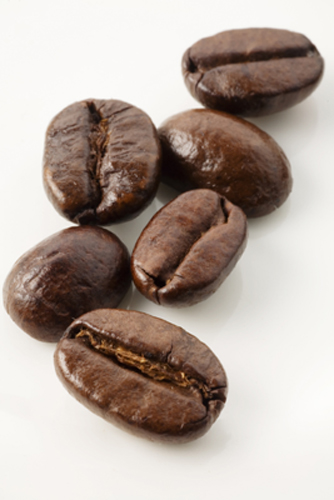
Health benefits of coffee

For many years, coffee was considered a vice, linked with sleepless nights and cigarettes.
But scientists have discovered that coffee contains potent  antioxidants that can fight numerous ailments, including heart disease and  diabetes.According to the American Coffee Association, 54% of Americans  drink coffee on a daily basis, and they drink, on average, over three cups each.

The diseases coffee can benefit include:
Dementia. Drinking moderate amounts of coffee during middle age -classified as three to five cups daily - can decrease the  risk of dementia by 65%, according to a 2009 study by Swedish and Finnish researchers.
Liver disease.
In those who drink too much alcohol, those who drank the most coffee - more than four cups every day - reduced their risk of developing alcoholic cirrhosis by 80%.
Heart disease.
Research associated with The Nurses' Health Study found that women who drank two to three cups of coffeedaily had a 25% lower risk of dying from heart disease. Along the same line, a Spanish study found that men who drank more than five cups of coffee each day lowered their risk of dying from heart disease by 44%, and that women who drank four to five cups each day reduced their risk by 34%.

Prostate cancer.
A recent study from Harvard Medical School found that men who drank the most coffee slashed their risk of developing the fastest growing and most difficult to treat prostate  cancers by more than half when compared to men who drank no coffee.
Gout.
Drinking four or more cups of coffee each day dramatically reduces the incidence of gout, say U.S. and Canadian researchers. Men who drank four to five cups daily lowered their risk by 40 percent, and those who drank six or more cups daily reduced their risk of developing gout by 59% when compared to men who didn't drink coffee.

Breast cancer.
Coffee can either reduce the risk of developing breast cancer or delay its onset, according to Swedish studies. They found that coffee alters a woman's metabolism and produces a safer balance of estrogens. Women who drank two to three cups of coffee a day reduced their cancer risk by as much as two-thirds, depending on the specific type of breast cancer.

Diabetes.D
Enjoying six or more cups of coffee daily can cut chances of Type 2 diabetes by 54% in men and 30% in  women over those who don't drink coffee.
Parkinson's disease.
Several studies show that drinking coffee lowers a man's risk of developing Parkinson's up to 80 percent - and the more the better.

Colon cancer
A Japanese report found that women who drank three or more cups of coffee every day slashed their risk of developing colon cancer in half.

What's responsible for coffee's healthy benefits? Most researchers believe it's the antioxidants (polyphenols or flavonoids) in coffee, but there are hundreds of compounds in coffee that may be partially responsible.