
Showing posts with label coffee. Show all posts
Showing posts with label coffee. Show all posts
Thursday, January 29, 2015


Saturday, July 12, 2014
Coffee - common drink with uncommon benefits
Coffee is my favorite drink, which I drink on the daily basis. I remember reading elsewhere that too much coffee is harmful and today I read the article below which makes me comfortable , so no worry. So I like to share here
By Dr. Mercola
If you're like many people, you may start your day with a cup of coffee. According to Health Magazine,1 about half of American adults stick to this daily ritual, despite conventional warnings that coffee might not be all that good for you.My own understanding of coffee's virtues and risks was greatly enhanced by my 2011 interview with Ori Hofmekler, author of The Warrior Diet and Unlocking the Muscle Gene, who has researched coffee extensively.Ori explained how coffee, when consumed in the right way, can in fact be used as a health and fitness enhancing tool. There are caveats, however, and there are also points of contention, where the details still have not quite been teased out.Despite that, it is possible to draw up some general guidelines that will allow you to enjoy your coffee with minimal risk. You may even be able to reap valuable benefits from your habit, provided you're willing to make some slight alterations to how you drink it.Ori specifically pointed out the benefits coffee might have when consumed prior to working out, and this is also the focus of the featured article.
6 Reasons to Drink Coffee Before Your Workout
Contrary to much of the conventional advice, which tends to revolve around coffee's ability to raise your blood pressure, coffee does appear to have certain functional benefits—if consumed pre-exercise—that are supported by science. As reported by Health Magazine:2"[A] Spanish study, published in the International Journal of Sport Nutrition and Exercise Metabolism,3 found that trained athletes who took in caffeine pre-exercise burned about 15 percent more calories for three hours post-exercise, compared to those who ingested a placebo.The dose that triggered the effect was 4.5 mg of caffeine per kilogram of body weight. For 150-pound woman (68 kg), that's roughly 300 mg of caffeine, the amount in about 12 ounces of brewed coffee, a quantity you may already be sipping each morning."According to Ori's research, coffee can increase your metabolism by up to 20 percent, which seems to be in line with the Spaniards' finding. Besides providing you with a temporary metabolic boost, other functional benefits of a pre-workout cup of coffee include:
- Improved micro-circulation. According to Health Magazine, Japanese researchers recently discovered that people who were not regular coffee drinkers experienced a 30 percent boost in capillary blood flow after drinking five ounces of regular coffee, compared to those drinking decaf.
Improved blood circulation typically equates to improved oxygenation of your tissues, which may boost your exercise performance.- Pain reduction. The featured article notes research from the University of Illinois, which found that a caffeine dose equivalent to two or three cups of coffee taken one hour prior to a half-hour-long workout reduced the participants' level of perceived muscle pain.
This pain reduction could allow you to push yourself just a bit harder, which is important during high intensity exercises.Research from the University of Georgia, published in the March 2007 issue of The Journal of Pain,4 reported very similar findings. Here, consuming the equivalent of two cups of coffee an hour before training reduced post-workout muscle soreness by up to 48 percent.To put this into perspective, studies using naproxen (Aleve) only achieved a 30 percent decrease in post-workout muscle soreness, and aspirin produced a 25 percent decrease.- Improved endurance. A 2005 meta-analysis5 concluded that caffeine can reduce your perceived level of exertion by more than five percent—effectively making your exercise feel "easier."
Moreover, caffeine improved exercise performance by more than 11 percent, which appears to be related to the reduction in perceived level of exertion.- Muscle preservation. According to Ori, coffee triggers a mechanism in your brain that releases a growth factor called Brain-Derived Neurotrophic Factor (BDNF). Besides the brain, BDNF also expresses itself in your muscles, where it supports the neuromotor—the most critical element in your muscle. Without the neuromotor, your muscle is like an engine without ignition. Neuro-motor degradation is part of the process that explains age-related muscle atrophy. So in this respect coffee may help maintain more youthful muscle tissue.
The featured article also notes recent research from Coventry University that supports this notion. In that study, they found that caffeine helped offset age-related loss of muscle strength, again suggesting that caffeine may help preserve your muscles as you age, and reduce your risk of injuries.- Improved memory. BDNF also activates brain stem cells to convert into new neurons in your brain, which can have definitive benefits for your brain function. Indeed, research conducted at Johns Hopkins University6 found that 200 milligram (mg) of caffeine enhanced participants' memory for up to 24 hours.
When and How to Drink Coffee for Maximum Benefit
As I mentioned earlier, there are some caveats to consider. You can easily eliminate any health benefits that coffee might provide by adding milk, creamer, sugar or artificial sweeteners to your cup, for example. Also, while some of the studies noted above used caffeine opposed to coffee, I agree with experts like Ori who warn that caffeine in isolation could be quite toxic.It's important to remember that the natural blend of polyphenol antioxidants (including chlorogenic acids), bioflavonoids, vitamins and minerals in coffee beans all work together to help neutralize the harsher effects of the caffeine.7Recent research from the University of Oslo, Norway, reveals that whole coffee possesses potent anti-inflammatory chemo-protective and anti-aging properties. Coffee has shown to inhibit the pro-inflammatory pathway NFkβ, which has been directly linked to inflammation, certain cancers and accelerated muscle aging.Note that NFkβ is inhibited by certain phenols in coffee rather than caffeine. This indicates again the superior health and muscle preserving qualities of whole coffee over caffeine alone.There are literally thousands of different natural chemical compounds in your brew, and science now suggests the synergy between them can pack a nice nutritional punch. You're not likely to get this synergetic effect from caffeinated supplements and beverages like Red Bull! That said, some of the primary considerations and caveats will be discussed in the following sections.
Limit Your Consumption to One or Two Cups Per Day
Ori recommends having just one cup of coffee or one shot of espresso in the morning or before training, perhaps another cup during work and that's it for the day. Coffee is a potent substance, and can have an adverse effect on your adrenal glands if consumed in excess. If you're stressed, coffee can actually help you resist fatigue, hunger and hardship but you can overdo it; drinking a whole pot of coffee is going to put you at risk for adrenal exhaustion. Also make sure you're properly hydrated, as coffee has a diuretic effect.Caffeine can also cause a process in your brain called glutamate re-uptake inhibition, meaning it inhibits the cellular re-uptake of glutamate—an excitoneurotransmitter essential for keeping you alert. Like other neurotransmitters, glutamate must be tightly regulated.If your caffeine intake is too high and chronic, such as due to ingestion of caffeinated energy drinks, it can cause glutamate excitotoxicity.
Drink Coffee in the Morning, Before Exercise, Not After
When used before exercise, coffee will give you a good boost, and will work to accelerate the benefits of exercise; stimulating energy production and fat burning. However, after exercise your body needs a recovery meal, not caffeine, which will inhibit the mTOR (mammalian target of rapamycin); the mechanism that increases protein synthesis in your muscle. You do not build musclewhile exercising. Muscle building occurs afterward, so if your goal is to gain muscle mass, you do not want mTOR to be inhibited by caffeine...That being said, if your main goal is to lean down and maximize fat burning, having coffee after exercise might be exactly what you need, as it will keep you burning fat while breaking down fat stores for energy. The post exercise coffee will continue mimicking the effects of exercise on your body for as long as you continue fasting; that's until your next meal. If you exercise in the evening, you may want to skip the pre-workout cup of coffee however, as it can seriously disrupt your sleep cycle by keeping you alert well into the night.
Opt for Freshly Ground, Organic 'Regular' Coffee—Black, Without Creamer, or Artificial Sweeteners
Freshly ground organic coffee beans can be viewed as a nutritionally valuable whole food with neuroprotective properties. Decaffeinated coffee will not provide you with all these whole food benefits, as the antioxidant bioflavonoids are largely lost in the processing. So opt for "regular" if you're going to drink coffee.Also, opt for whole coffee beans and grind them just prior to brewing your coffee. Most coffee available today is already rancid, or close to it, by the time you get it home. This is because the rate of rancidity increases dramatically once you grind the beans. A coffee that doesn't have a good aroma or taste is most likely stale and nutritionally useless.Last but not least, choose organic coffee, as conventionally grown coffee beans are among the most heavily sprayed crops on the market, and pesticides will certainly not do your health any favors. To ensure compliance with organic industry standards, look for the USDA 100% Organic seal. If you have trouble finding organic coffee in your local grocery store, check online, as there are many organic coffees available. Whenever possible, purchase sustainable "shade-grown" coffee to help prevent the continued destruction of our tropical rain forests and the birds that inhabit them. There are many who say shade-grown coffee tastes better as well.
Which Is Better: Dark or Light Roast?
Other issues that can come to bear on the end health effects of the coffee include the way it's dried and roasted, as this will not only affect the beneficial antioxidant content of the coffee, but also the formation of toxic acrylamides. Here, making any definitive recommendations becomes quite tricky...In general, it has been shown that when it comes to the health benefits of organic whole-bean black coffee, the darker the roast, the better.8 It's often the case that foods with the darkest pigments offer the most robust benefits to health, and dark roast coffee, such as French or Italian Roast, or roasts used to make espresso or Turkish coffee, appear to be no exception.Roasted coffees are higher in neuroprotective agents than green (unroasted) coffees. For example, a study in Molecular Nutrition & Food Research9 found that dark roast coffee restored blood levels of the antioxidants vitamin E and glutathione more effectively than light roast coffee. The dark roast also led to a significant body weight reduction in pre-obese volunteers, whereas the lighter roast did not. Other studies have shown that dark roast coffee produces more of a chemical called N-methylpyridinium, which helps prevent your stomach from producing excess acid, so darker roast coffee may be easier on your stomach than lighter roast coffee.10That said, the process of roasting will also produce acrylamide—a toxic byproduct created when you expose a food to high heat. Acrylamide has been associated with an increased cancer risk. From the perspective of limiting your exposure to this toxin, a light roast might be preferable. I don't claim to have the answer here, but the evidence supporting dark roast for higher antioxidant content is quite compelling. It could be that a higher antioxidant content of a dark roasted organic coffee might outweigh the acrylamide formed during the roasting process... Unfortunately, I have no evidence to support such a proposition. In the end, the best recommendation I can come up with is to simply use coffee in moderation. Most studies find no added health benefits above two or three cups a day at the most.
Be Selective with Your Choice of Cups, Containers, and Filters
If you use a "drip" coffee maker, be sure to use non-bleached filters. The bright white ones, which most people use, are chlorine bleached and some of this chlorine will be extracted from the filter during the brewing process and they are also full of dangerous disinfection by products like dioxin. Also be careful about the coffee container and coffee cups you use. Avoid plastic cups and containers as the BPA from the plastic can leach into your coffee.Also avoid styrofoam cups, as they can leach polystyrene molecules into your blood. Your best options include glass, ceramic, or even stainless steel travel mugs and storage containers. Many have now started using Keurig coffee makers, which brew a single cup at a time, using small plastic coffee inserts. While the inserts claim to be BPA and phthalate-free,11, 12 they still contribute to the ever-growing problem of non-biodegradable waste.Fortunately, the machine comes with reusable pieces that allow loose coffee grounds to be used instead of the pre-made disposable plastic cups, which would be a better option. One of the most effective tools for making coffee is good old French press. All you need is to put the freshly ground coffee inside, add hot water and press down. The coffee that you get is highly aromatic and pure with no plastics or chemicals involved.
Avoid Coffee While Pregnant
For all the potential health benefits of coffee, it is not advisable to drink coffee during pregnancy, even if it's organic. Caffeine easily passes through both the blood brain barrier and the placenta, and it's also transferred through breast milk. Here, research has shown that ingesting caffeine during pregnancy can result in a wide range of problems for your baby, including:
- Increased risk of miscarriage
- Low birth weight
- Birth defects such as cleft palate
- Increased risk of Sudden Infant Death Syndrome (SIDS)
- Decreased cardiac function (Please note that the equivalent of just two cups of coffee during the entire pregnancy – not two cups of coffee per day—has been shown to affect your child's heart function!)
If Consumed Correctly, Coffee Can Be Part of a Healthy Lifestyle
Like anything, coffee should not be used in excess. However, study after study has failed to prove that moderate coffee consumption increases your risk for cardiovascular disease or any other serious illness. Moreover, mounting research suggests it may have a number of previously unrecognized health-promoting properties.Part of the confusion is likely rooted in the fact that while caffeine in and of itself is a potent and addictive drug, coffee made from whole roasted coffee beans is also a whole food, containing a wide range of micronutrients in addition to caffeine. The key to a healthy cup of coffee centers around treating it like a whole food; knowing how to select high-quality coffee, and not ruining it by adding health-harming sugar or milk to your brew.
Thursday, February 13, 2014
20 biggest health questions answered
The Definitive Answer To 20 Of Your Biggest Health Questions
Does olive oil prevent heart disease?

Short answer: Yes
The health benefits of olive oil come from the presence of polyphenols, antioxidants that reduce the risk of heart diseases and cancers.
But to get these healthy compounds, consumers should buy good-quality, fresh "extra-virgin" olive oil, which has the highest polyphenol content. Most commercially available olive oils have low levels of polyphenols associated with poor harvesting methods, improper storage, and heavy processing.
Do cough syrups work?

Short answer: No
In 2006, the nation's chest physicians agreed that the majority of over-the-counter cough medicines don't actually work. These colorful syrups typically contain doses of codeine and dextromethorphan that are too small to be effective.
Only cough suppressants that contain older antihistamines seem to relieve coughs. That includes brompheniramine, an active ingredient in Dimetapp.
Does sugar cause hyperactivity?

Short answer: No
Following a review of 23 studies, a 1996 report published in the Journal of the American Medical Association concluded that sugar "does not affect the behavior or cognitive performance of children."
The age-old myth that kids misbehave when they eat large amounts of candy, cookies, and other junk food, could be related to the type of events where these foods are typically served. For example, kids are more wound-up at birthday parties and during Halloween when sweet treats tend to flow freely.
Do sugary soft drinks lead to diabetes?

Short answer: Yes
The majority of health research is stacked against sugar-sweetened soda. A large 2004 study in the Journal of the American Medical Association found that women who drank one or more sugary drinks per day increased their risk of developing type 2 diabetes by 83% compared to those who consumed less than one of these beverages per month.
Do I need sunscreen with more than 30 SPF?

Short answer: No
Sunscreens with an SPF (sun protection factor) of 30 block about 97% of ultraviolet rays, while sunscreens with an SPF of higher than 30 block 97%-98%.
It's more important that you choose "broad-spectrum" sunscreen, meaning it protects against both UVB and UVA rays. Sunbathers also need to apply a generous amount of sunscreen in order to get the full benefit of the SPF.
Is the MSG in Chinese likely to give you a headache?

Short answer: No
A review of 40 years of clinical trials, published in the journal of the American Academy of Nurse Practitioners in 2006, found that all previous research "failed to identify a consistent relationship between the consumption of MSG and the constellation of symptoms that comprise the syndrome," including headaches and asthma attacks.
The misconception spawned from several poorly-done small studies in the 1960s that seemed to connect MSG with a variety of maladies that people experienced after eating at Chinese restaurants.
Learn more about the MSG myth here »
Do nuts make you fat?

Short answer: No
As much as 75% of a nut is fat. But eating fat doesn't necessarily make you fat. The bigger factor leading to weight gain is portion-size. Luckily, nuts are loaded with healthy fats that keep you full. They're also a good source of protein and fiber.
One study even found that whole almonds have 20% less calories than previously thought because a lot of the fat is excreted from the body.
Is walking as effective as running?

Short answer: Yes
Studies have shown that how long you exercise — and thus how many calories you burn — is more important than how hard you exercise. Running is a more efficient form of exercise, but not necessarily better for you.
A six-year study published in the journal Arteriosclerosis, Thrombosis, and Vascular Biology in April found that walking at a moderate pace and running produced similar health benefits, so long as the same amount of energy was expended.
Is drinking fruit juice as good for you as eating fruit?

Short answer: No
Calorie for calorie, whole fruit provides more nutritional benefits than drinking the pure juice of that fruit. That's because when you liquefy fruit, stripping away the peel and dumping the pulp, many ingredients like fiber, calcium, vitamin C, and other antioxidants are lost.
For comparison, a five-ounce glass of orange juice that contains 69 calories has .3 grams of dietary fiber and 16 milligrams of calcium, whereas an orange with the same number of calories packs 3.1 grams of fiber and 60 milligrams of calcium.
Are all wheat breads better for you than white bread?

Short answer: No
Not all wheat breads are created equal. Wheat breads that contain all parts of the grain kernel, including the nutrient-rich germ and fiber-dense bran, must be labeled "whole grain" or "whole wheat."
Some wheat breads are just white bread with a little bit of caramel coloring to make the bread appear healthier, according to Reader's Digest.
Can a hot tub make me sick?

Short answer: Yes
Hot tubs — especially ones in spas, hotels, and gyms — are perfect breeding grounds for germs.
The water is not hot enough to kill bacteria, but is just the right temperature to make microbes grow even faster. Even though hot tubs are treated with chlorine, the heat causes the disinfectant to break down faster than it would in regular pools.
The most common hot tub infection is pseudomonas folliculitis, which causes red, itchy bumps. A more dangerous side-effect of soaking in a dirty Jacuzzi is a form of pneumonia known as Legionnaire's disease. This is what reportedly sickened more than 100 people at the Playboy Mansion back in 2011.
Does coffee cause cancer?

Short answer: No
Coffee got a bad rap in the 1980s when a study linked drinking coffee to pancreatic cancer. The preliminary report was later debunked.
More recently, health studies have swung in favor of the caffeinated beverage. Coffee has been linked to a lower risk of type 2 diabetes, Parkinson's disease, liver cancer, and even suicide.
Do eggs raise cholesterol levels?

Short answer: No
Although egg yolks are a major source of cholesterol — a waxy substance that resembles fat — researchers have learned that saturated fat has more of an impact on cholesterol in your blood than eating foods that contain cholesterol.
"Healthy individuals with normal blood cholesterol levels should now feel free to enjoy foods like eggs in their diet every day," the lead researcher from a 25-year University of Arizona study on cholesterol concluded.
Can you drink too much water?

Short answer: Yes
It is very rare for someone to die from drinking too much water, but it can happen.
Overhydrating is most common among elite athletes. Drinking an excess of water, called water intoxication, dilutes the concentration of sodium in the blood leading to a condition known as hyponatremia. The symptoms of hyponatremia can range from nausea and confusion to seizures and even death in severe cases.
To avoid this, drink fluids with electrolytes during extreme exercise events.
Can yogurt ease digestive problems?

Short answer: Yes
Our digestive tract is filled with microorganisms — some good and some bad. Yogurt contains beneficial bacteria, generically called probiotics, that helps maintain a healthy balance. Probiotics can relieve several gastrointestinal problems, including constipation and diarrhea.
Certain brands of yogurts, like Activa by Dannon, are marketed exclusively to treat tummy issues.
Do whitening toothpastes whiten teeth more than regular toothpastes?

Short answer: No
Whitening toothpastes usually contain peroxides and other strong abrasives that might make your teeth appear whiter by removing stains. Unlike at-home whitening strips and gels that contain bleach, these toothpastes do not actually change the color of your teeth.
Is it safe to microwave food in plastic containers?

Short answer: Yes
But the plastic container should display the words "microwave safe." This means that the Food and Drug Administration has tested the container to make sure no chemicals used to make the plastic leech into foods during microwaving. If chemicals do seep out into food, the amounts are tiny and not dangerous to our health.
As a general guideline, plastic grocery bags as well as most plastic tubs that hold margarine, yogurt, cream cheese, and condiments are not microwave safe.
Can watching TV ruin your eyesight?

Short answer: No
Watching TV will not destroy your rods and cones as the outdated myth suggests. Before the 1950s, TVs emitted radiation that could increase an individual's risk of eye problems after excessive TV viewing. Modern TVs have special shielding that blocks these harmful emissions.
Is red wine better for you than white wine?

Short answer: Yes
Red wine contains much more resveratrol than white wine, an antioxidant found in the skin of grapes that has been shown to fight off diseases associated with aging.
Is bottled water better for you than tap water?

Short answer: No
Bottled water is no safer or purer than tap water, although it is substantially more expensive.
A recent study by Glasgow University in the U.K. found that bottled water is actually more likely to be contaminated than water from your faucet because it is less well-regulated.
Bottled water and tap water typically come from the same sources — natural springs, lakes, and aquifers. While public water supplies are tested for contaminants every day, makers of bottled water are only required to test for specific contaminants every week, month, or year.
Does olive oil prevent heart disease?
Short answer: Yes
The health benefits of olive oil come from the presence of polyphenols, antioxidants that reduce the risk of heart diseases and cancers.
But to get these healthy compounds, consumers should buy good-quality, fresh "extra-virgin" olive oil, which has the highest polyphenol content. Most commercially available olive oils have low levels of polyphenols associated with poor harvesting methods, improper storage, and heavy processing.
Do cough syrups work?
Short answer: No
In 2006, the nation's chest physicians agreed that the majority of over-the-counter cough medicines don't actually work. These colorful syrups typically contain doses of codeine and dextromethorphan that are too small to be effective.
Only cough suppressants that contain older antihistamines seem to relieve coughs. That includes brompheniramine, an active ingredient in Dimetapp.
Does sugar cause hyperactivity?
Short answer: No
Following a review of 23 studies, a 1996 report published in the Journal of the American Medical Association concluded that sugar "does not affect the behavior or cognitive performance of children."
The age-old myth that kids misbehave when they eat large amounts of candy, cookies, and other junk food, could be related to the type of events where these foods are typically served. For example, kids are more wound-up at birthday parties and during Halloween when sweet treats tend to flow freely.
Do sugary soft drinks lead to diabetes?
Short answer: Yes
The majority of health research is stacked against sugar-sweetened soda. A large 2004 study in the Journal of the American Medical Association found that women who drank one or more sugary drinks per day increased their risk of developing type 2 diabetes by 83% compared to those who consumed less than one of these beverages per month.
Do I need sunscreen with more than 30 SPF?
Short answer: No
Sunscreens with an SPF (sun protection factor) of 30 block about 97% of ultraviolet rays, while sunscreens with an SPF of higher than 30 block 97%-98%.
It's more important that you choose "broad-spectrum" sunscreen, meaning it protects against both UVB and UVA rays. Sunbathers also need to apply a generous amount of sunscreen in order to get the full benefit of the SPF.
Is the MSG in Chinese likely to give you a headache?
Short answer: No
A review of 40 years of clinical trials, published in the journal of the American Academy of Nurse Practitioners in 2006, found that all previous research "failed to identify a consistent relationship between the consumption of MSG and the constellation of symptoms that comprise the syndrome," including headaches and asthma attacks.
The misconception spawned from several poorly-done small studies in the 1960s that seemed to connect MSG with a variety of maladies that people experienced after eating at Chinese restaurants.
Learn more about the MSG myth here »
Do nuts make you fat?
Short answer: No
As much as 75% of a nut is fat. But eating fat doesn't necessarily make you fat. The bigger factor leading to weight gain is portion-size. Luckily, nuts are loaded with healthy fats that keep you full. They're also a good source of protein and fiber.
One study even found that whole almonds have 20% less calories than previously thought because a lot of the fat is excreted from the body.
Is walking as effective as running?
Short answer: Yes
Studies have shown that how long you exercise — and thus how many calories you burn — is more important than how hard you exercise. Running is a more efficient form of exercise, but not necessarily better for you.
A six-year study published in the journal Arteriosclerosis, Thrombosis, and Vascular Biology in April found that walking at a moderate pace and running produced similar health benefits, so long as the same amount of energy was expended.
Is drinking fruit juice as good for you as eating fruit?
Short answer: No
Calorie for calorie, whole fruit provides more nutritional benefits than drinking the pure juice of that fruit. That's because when you liquefy fruit, stripping away the peel and dumping the pulp, many ingredients like fiber, calcium, vitamin C, and other antioxidants are lost.
For comparison, a five-ounce glass of orange juice that contains 69 calories has .3 grams of dietary fiber and 16 milligrams of calcium, whereas an orange with the same number of calories packs 3.1 grams of fiber and 60 milligrams of calcium.
Are all wheat breads better for you than white bread?
Short answer: No
Not all wheat breads are created equal. Wheat breads that contain all parts of the grain kernel, including the nutrient-rich germ and fiber-dense bran, must be labeled "whole grain" or "whole wheat."
Some wheat breads are just white bread with a little bit of caramel coloring to make the bread appear healthier, according to Reader's Digest.
Can a hot tub make me sick?
Short answer: Yes
Hot tubs — especially ones in spas, hotels, and gyms — are perfect breeding grounds for germs.
The water is not hot enough to kill bacteria, but is just the right temperature to make microbes grow even faster. Even though hot tubs are treated with chlorine, the heat causes the disinfectant to break down faster than it would in regular pools.
The most common hot tub infection is pseudomonas folliculitis, which causes red, itchy bumps. A more dangerous side-effect of soaking in a dirty Jacuzzi is a form of pneumonia known as Legionnaire's disease. This is what reportedly sickened more than 100 people at the Playboy Mansion back in 2011.
Does coffee cause cancer?
Short answer: No
Coffee got a bad rap in the 1980s when a study linked drinking coffee to pancreatic cancer. The preliminary report was later debunked.
More recently, health studies have swung in favor of the caffeinated beverage. Coffee has been linked to a lower risk of type 2 diabetes, Parkinson's disease, liver cancer, and even suicide.
Do eggs raise cholesterol levels?
Short answer: No
Although egg yolks are a major source of cholesterol — a waxy substance that resembles fat — researchers have learned that saturated fat has more of an impact on cholesterol in your blood than eating foods that contain cholesterol.
"Healthy individuals with normal blood cholesterol levels should now feel free to enjoy foods like eggs in their diet every day," the lead researcher from a 25-year University of Arizona study on cholesterol concluded.
Can you drink too much water?
Short answer: Yes
It is very rare for someone to die from drinking too much water, but it can happen.
Overhydrating is most common among elite athletes. Drinking an excess of water, called water intoxication, dilutes the concentration of sodium in the blood leading to a condition known as hyponatremia. The symptoms of hyponatremia can range from nausea and confusion to seizures and even death in severe cases.
To avoid this, drink fluids with electrolytes during extreme exercise events.
Can yogurt ease digestive problems?
Short answer: Yes
Our digestive tract is filled with microorganisms — some good and some bad. Yogurt contains beneficial bacteria, generically called probiotics, that helps maintain a healthy balance. Probiotics can relieve several gastrointestinal problems, including constipation and diarrhea.
Certain brands of yogurts, like Activa by Dannon, are marketed exclusively to treat tummy issues.
Do whitening toothpastes whiten teeth more than regular toothpastes?
Short answer: No
Whitening toothpastes usually contain peroxides and other strong abrasives that might make your teeth appear whiter by removing stains. Unlike at-home whitening strips and gels that contain bleach, these toothpastes do not actually change the color of your teeth.
Is it safe to microwave food in plastic containers?
Short answer: Yes
But the plastic container should display the words "microwave safe." This means that the Food and Drug Administration has tested the container to make sure no chemicals used to make the plastic leech into foods during microwaving. If chemicals do seep out into food, the amounts are tiny and not dangerous to our health.
As a general guideline, plastic grocery bags as well as most plastic tubs that hold margarine, yogurt, cream cheese, and condiments are not microwave safe.
Can watching TV ruin your eyesight?
Short answer: No
Watching TV will not destroy your rods and cones as the outdated myth suggests. Before the 1950s, TVs emitted radiation that could increase an individual's risk of eye problems after excessive TV viewing. Modern TVs have special shielding that blocks these harmful emissions.
Is red wine better for you than white wine?
Short answer: Yes
Red wine contains much more resveratrol than white wine, an antioxidant found in the skin of grapes that has been shown to fight off diseases associated with aging.
Is bottled water better for you than tap water?
Short answer: No
Bottled water is no safer or purer than tap water, although it is substantially more expensive.
A recent study by Glasgow University in the U.K. found that bottled water is actually more likely to be contaminated than water from your faucet because it is less well-regulated.
Bottled water and tap water typically come from the same sources — natural springs, lakes, and aquifers. While public water supplies are tested for contaminants every day, makers of bottled water are only required to test for specific contaminants every week, month, or year.
Tuesday, April 30, 2013
Coffee can do lots of good to our health. Yes, but what is a good coffee?

Even if you might not be a coffee aficionado, knowing what to expect from a good cup of coffee will certainly enhance your coffee experience. Here are 5 of our favourite tips on how to judge a cup of coffee.
The 10 second rule
The big coffee machine that produces shots of thick black coffee that gets poured into your coffee base is called an espresso machine. Espresso is made from a blend of coffees brewed under great pressure, using a large amount of coffee and a small amount of water. Espresso is dense and intense and is used as a base for most of your favourite coffee drinks like Lattes, Cappuccinos, Mochas and so on. Once an Espresso shot has been brewed, it only lasts for 10 seconds if it is not poured straight into your drink. So if you are standing in line waiting for your Latte and you see that the Barista has left your espresso shot for a long time after it is brewed and then pours it into your coffee, demand a fresh one. An expired espresso shot is definitely not worth paying for.
The Scent
A good cup of coffee gives a pleasant, satisfying scent, so trust your nose when it comes to assessing your cup of coffee. If you detect a slightly burnt, onion-y or a somewhat vegetable-y scent, that means it’s probably badly brewed coffee, or has been sitting on a burner all day.
The Taste
Good coffee should always have an underlying sweetness to it. This comes from the coffee cherry’s ripeness. If your coffee tastes salty instead, that’s a bad sign. Processing defects usually causes salty tasting coffee.
The Roast

The jury is out on this one, some prefer light, some medium while some argue that coffee is not really coffee unless it is dark roasted coffee. Whatever your preference, it should never taste burnt. If you detect a burnt quality in your coffee, it may be a bad roast.
The Texture
A good cup of coffee is always rich and a little thick, never watery. It is full-bodied and satisfying down to the last drop. The last lingering taste that you should experience is a smooth, sweet aftertaste.
Know Your Coffee Lingo
Ever wanted to order more than a just a cappuccino but stumped by all the Italian coffee names? Here’s a short list to help you keep your cool the next time you find yourself at a coffee chain counter.
Affogato (means “drowned”): Espresso served over ice-cream, or gelato, usually vanilla
Americano (means “American”): Espresso and hot water, basically strong black coffee.
Cappuccino (named after the resemblance of the frothy top to the hoods of the Italian Catholic Capuchin monks): Traditionally, one-third espresso, one-third steamed milk, and one-third milk foam. Sometimes topped (upon request) with a light dusting of cocoa powder.
Doppio (means “Double”): A double shot of espresso.
Espresso con Panna (means “espresso with cream”): Espresso with whipped cream on top.
Latte (means “milk”): This term is an abbreviation of “caffellatte” (or “caffè e latte”), coffee with milk. An espresso based drink with a volume of steamed milk, served with a thin layer of foam.

Latte macchiato (means “stained milk”): Essentially an inverted cafè latte, with the espresso poured on top of the milk.
Mocha (named ‘Mocha’ because it is associated with the original Mocha bean that had a “chocolate-y taste): Normally, a latte blended with chocolate.
Frappe (means “milkshake”): Usually called Frappacino – as in “Coffee Milkshake” – A shot of Espresso mixed with chocolate or other ingredients and blended with ice.
Benefits of coffee are many.
1. With regular drinking of coffee ( 2 cups a day) it can keep Parkinson's disease and dementia (type 2 diabetes) at bay.
2. Coffee drinking can also ward off cancer and strokes
3. It can reduced risk of Alzeimer's disease.
4. It acts an antioxidant
5. Offers some protection to liver
6. It is antidiabetic
and many more
So drink coffee and enjoy the benefits.
Monday, June 20, 2011
Health benefits of coffee
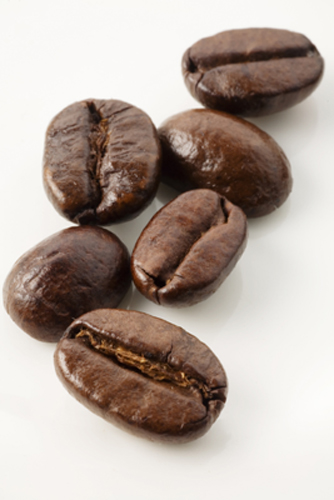

But scientists have discovered that coffee contains potent antioxidants that can fight numerous ailments, including heart disease and diabetes.According to the American Coffee Association, 54% of Americans drink coffee on a daily basis, and they drink, on average, over three cups each.
The diseases coffee can benefit include:
Dementia. Drinking moderate amounts of coffee during middle age -classified as three to five cups daily - can decrease the risk of dementia by 65%, according to a 2009 study by Swedish and Finnish researchers.
Liver disease.
In those who drink too much alcohol, those who drank the most coffee - more than four cups every day - reduced their risk of developing alcoholic cirrhosis by 80%.
Heart disease.
Research associated with The Nurses' Health Study found that women who drank two to three cups of coffeedaily had a 25% lower risk of dying from heart disease. Along the same line, a Spanish study found that men who drank more than five cups of coffee each day lowered their risk of dying from heart disease by 44%, and that women who drank four to five cups each day reduced their risk by 34%.
Prostate cancer.
A recent study from Harvard Medical School found that men who drank the most coffee slashed their risk of developing the fastest growing and most difficult to treat prostate cancers by more than half when compared to men who drank no coffee.
Gout.
Drinking four or more cups of coffee each day dramatically reduces the incidence of gout, say U.S. and Canadian researchers. Men who drank four to five cups daily lowered their risk by 40 percent, and those who drank six or more cups daily reduced their risk of developing gout by 59% when compared to men who didn't drink coffee.
Breast cancer.
Coffee can either reduce the risk of developing breast cancer or delay its onset, according to Swedish studies. They found that coffee alters a woman's metabolism and produces a safer balance of estrogens. Women who drank two to three cups of coffee a day reduced their cancer risk by as much as two-thirds, depending on the specific type of breast cancer.
Diabetes.D
Enjoying six or more cups of coffee daily can cut chances of Type 2 diabetes by 54% in men and 30% in women over those who don't drink coffee.
Parkinson's disease.
Several studies show that drinking coffee lowers a man's risk of developing Parkinson's up to 80 percent - and the more the better.
Colon cancer
A Japanese report found that women who drank three or more cups of coffee every day slashed their risk of developing colon cancer in half.
What's responsible for coffee's healthy benefits? Most researchers believe it's the antioxidants (polyphenols or flavonoids) in coffee, but there are hundreds of compounds in coffee that may be partially responsible.
Subscribe to:
Posts (Atom)